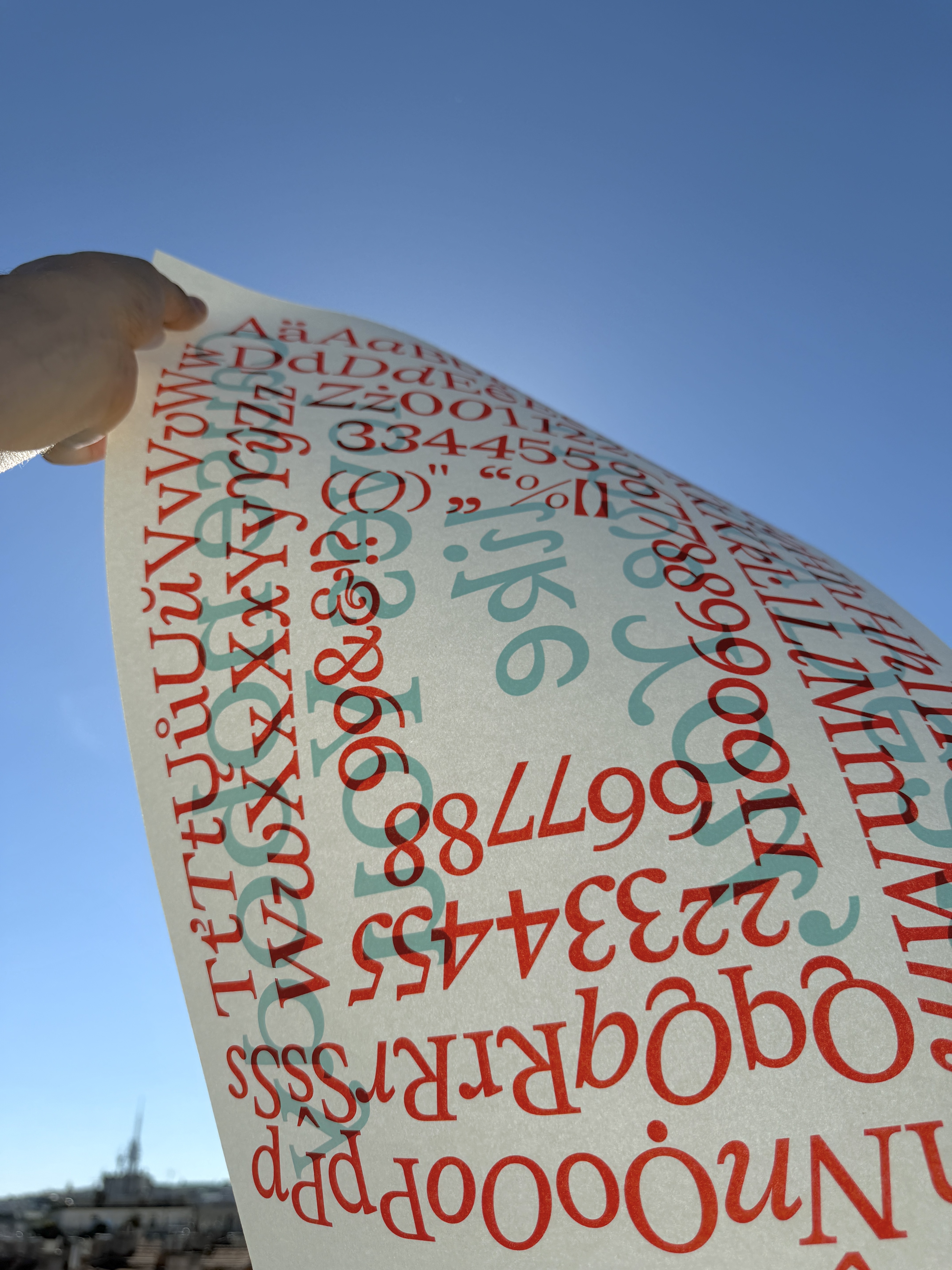
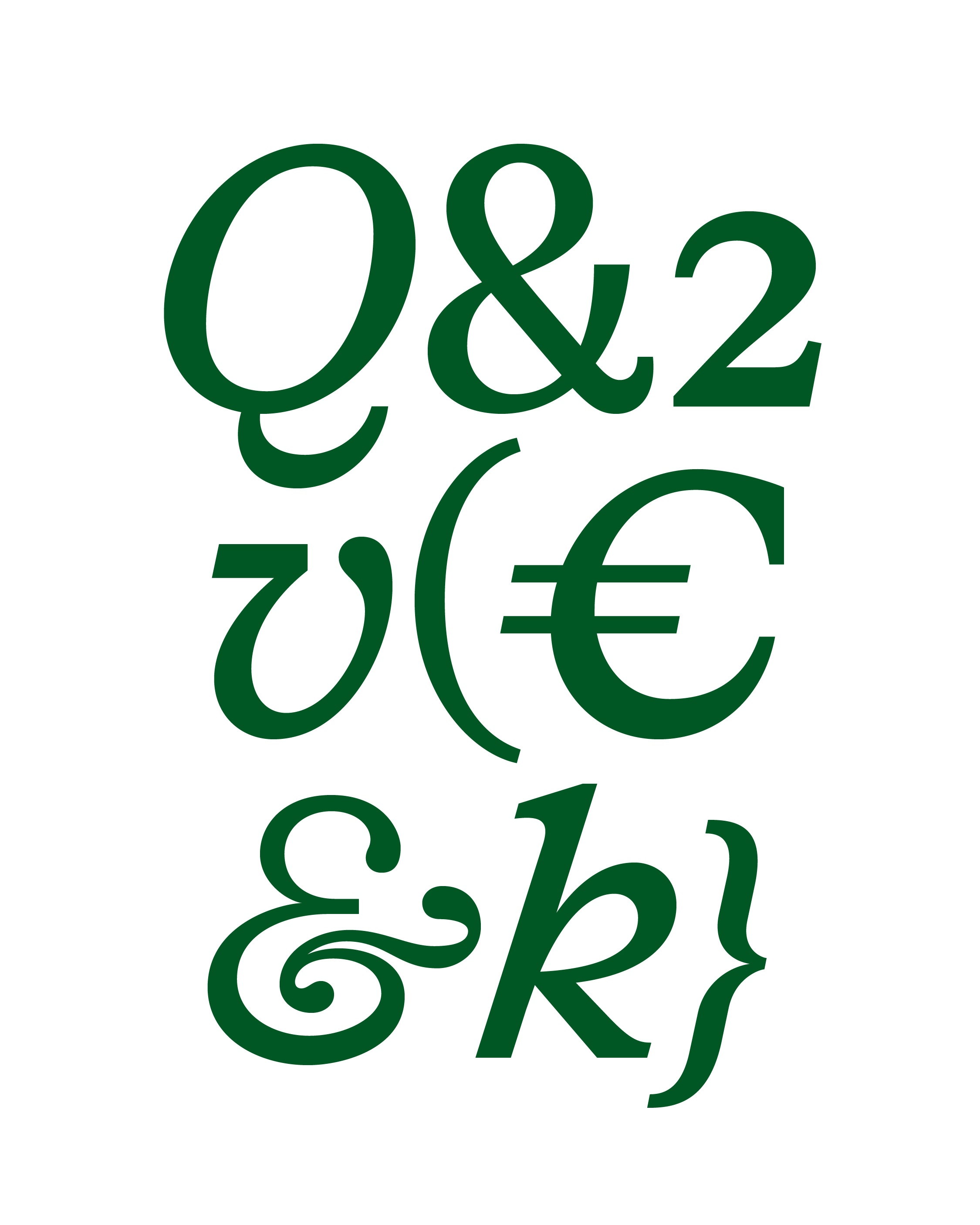
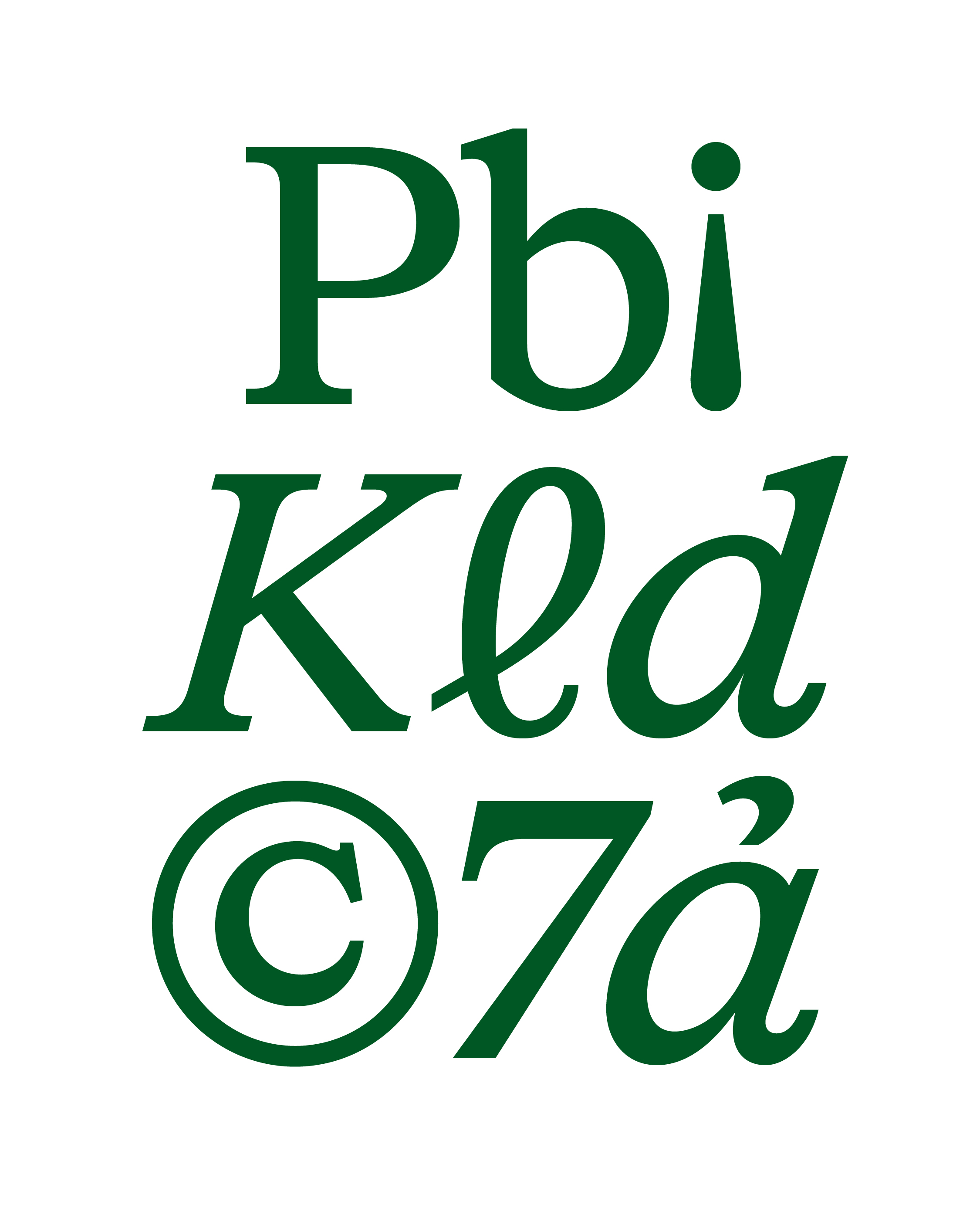
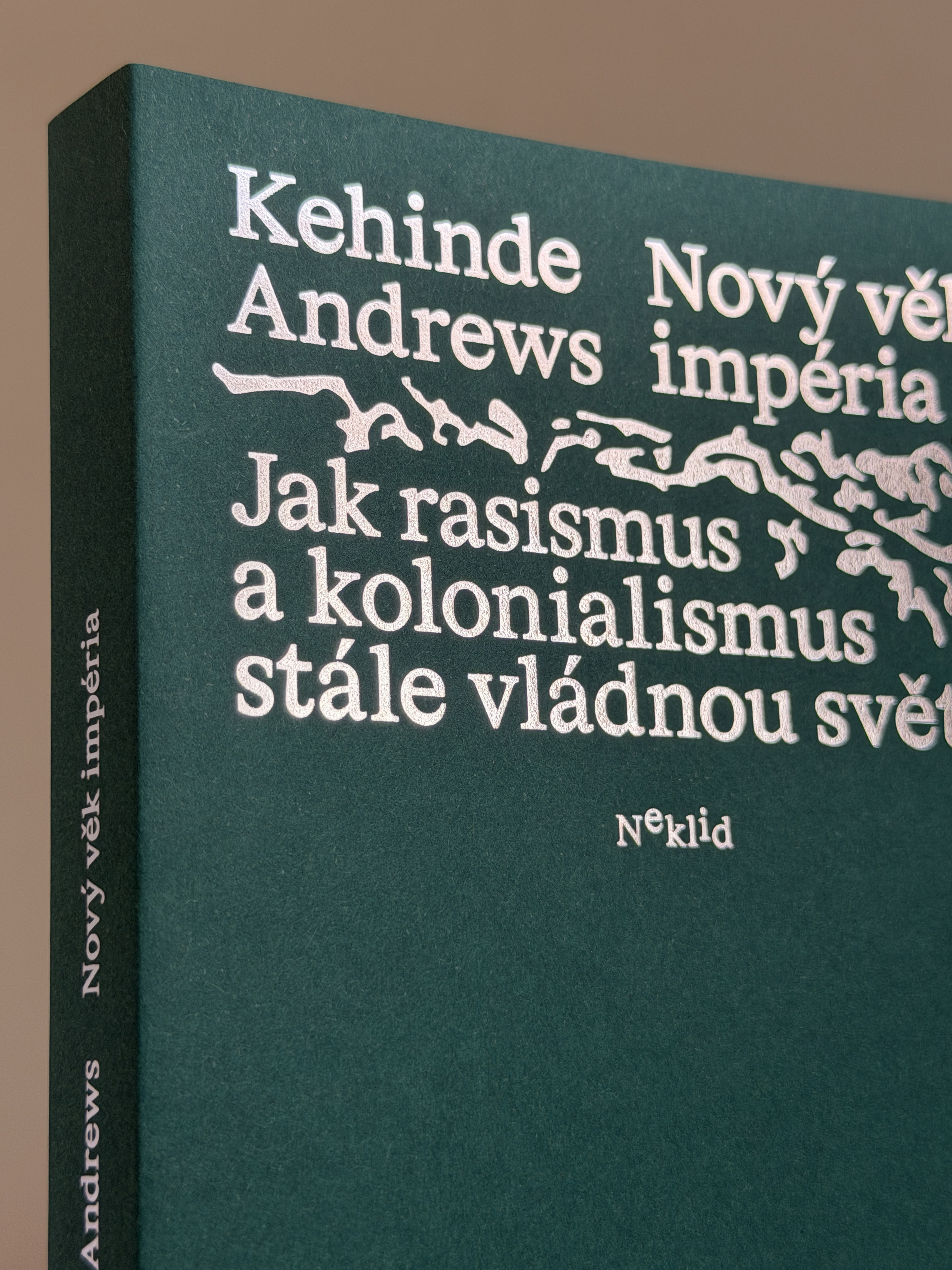
Opuntia is a typeface inspired by a phenomenon rather than some origin. It’s so called typeface for today! Combining a whole genre of text serif typefaces from ever since. Opuntia is a multi-tool font up from small texts about 6pt. to size of an headline type for a poster. This 2in1 function makes Opuntia really strong on its own, with only 2 cuts – Regular (Book) and Italic (true italics…)
Olive trees are seen as being a major component of traditional Palestinian farming life, with several generations of families gathering together to harvest the olives for two months from mid-September.[40] The harvest season is often associated with celebration for these families, and family and local community celebrations are organised with traditional Palestinian folk music and dancing.
Anthropologist Anne Meneley describes her olive-picking experience as community oriented:
We are hot and dusty and sometimes clumsy as we negotiate the rough rocks that surround the olive trees. Our Palestinian hosts bring us most welcome cool water and juice and hot sweet tea and coffee. There is communitas of sorts in this shared labor: we feel that we are contributing something, however symbolic, to the Palestinian cause.
As olive cultivation is a significant aspect of Palestinian culture, the uprooting of olive trees by Israeli settlers is a prominent point of concern in Palestinian culture. Poet Mourid Barghouti describes olive trees as "the identity card that doesn't need stamps or photos and whose validity doesn't expire with the death of the owner" and "with each olive tree uprooted by Israeli bulldozers, a family tree of Palestinian peasants falls from the wall."
Religiously, "the Holy Books refer more often to the vine and the olive tree" than to prophets. Muslim teaching also holds olives in high regard as "the Almighty is even believed to have himself taken an oath by the olive tree."
More recently, the olive tree is a symbol of rootedness. After the Israel Defense Forces defeated the Palestine Liberation Organization in the 1982 Lebanon War, the olive became a symbol for Palestinian identity. Because "olive trees are a prominent feature of the mountainous region of the landscape in the West Bank," Palestinians began to "draw connections between their ancient presence in Palestine and that of the ancient olive tree rooted in the land of Palestine."
Olive trees also have a nationalist connotation in Palestinian culture. In a speech to the United Nations General Assembly in 1974, Yasser Arafat stated that Zionist terrorism targeted the olive tree because it "has been a proud symbol" and "living reminder that the land is Palestinian." He concluded the speech with a nationalist reference to the olive branch:
Today I have come bearing an olive branch and a freedom-fighter's gun. Do not let the olive branch fall from my hand. I repeat: do not let the olive branch fall from my hand.
Arafat's remarks on the olive branch still influence literature today in works such as Raja Shehadeh's "Diary of an Internal Exile: Three Entries" in which she writes about her struggles as a resident of the West Bank. She concludes, "Arafat was right to hold a gun in one hand and an olive branch in the other. I was never so naive as to expect that Israel could be won over by the olive branch alone, but the gun could only ever be a means to an end."
In October 2021, settlers vandalized 8,000 trees in the West Bank. In the first two weeks of the 2021 harvest, 18 incidents of damage to Palestinian olive groves, consisting of acts of battering or chopping down trees or denuding their fruits were reported.
In the 2023 olive harvest season, Yesh Din reported 113 attacks by Israeli settlers and soldiers in the West Bank that disrupted olive harvest. The attacks caused 96,000 dunams of olive-planted land to go unharvested last year, resulting in approximately US$10,000,000 in losses. Approximately 1,340 olive trees were slashed by settlers in Qaryut in 2024. Over 150 attacks on olive pickers have been recorded in the 2025 olive harvest season.
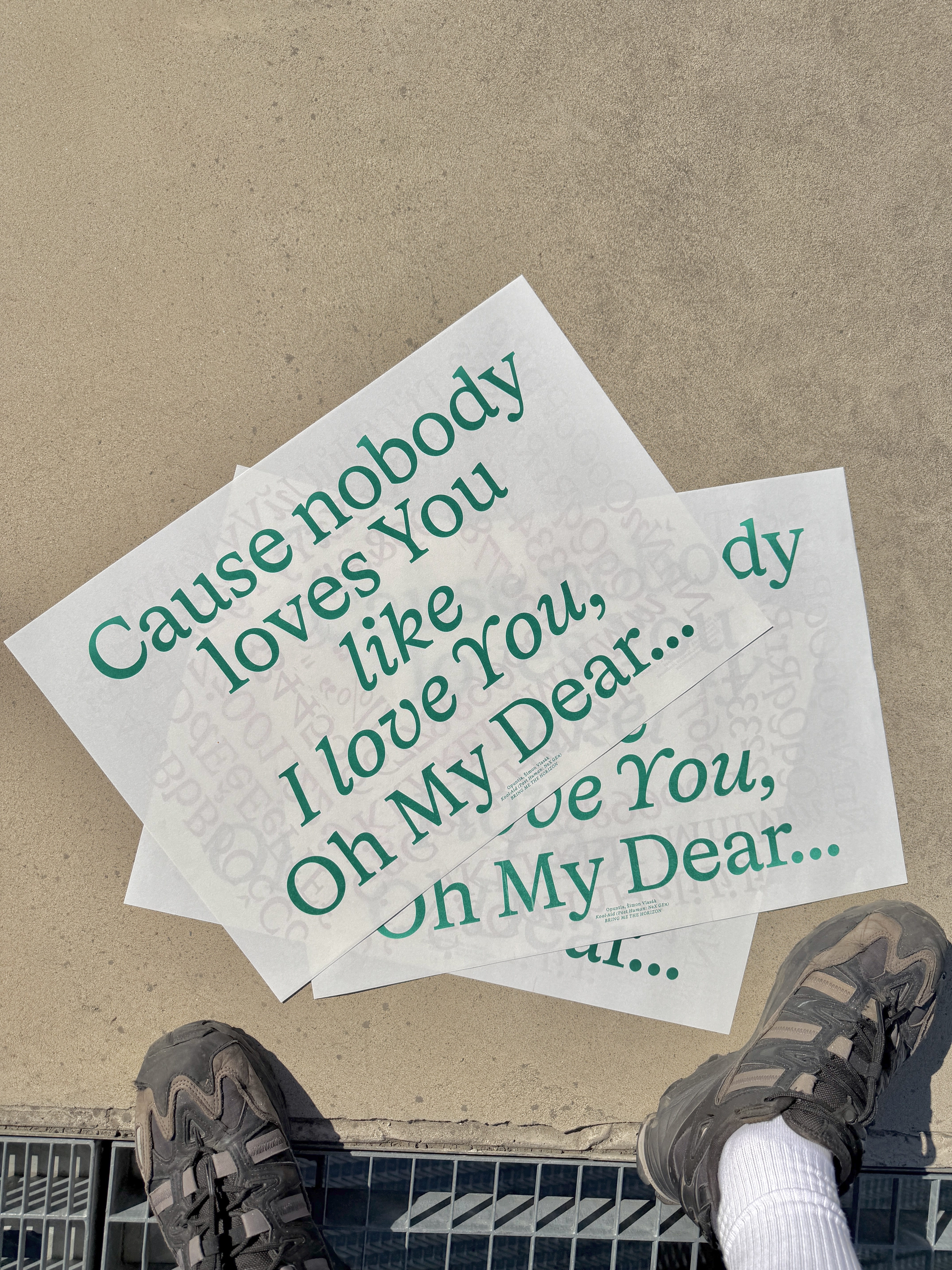
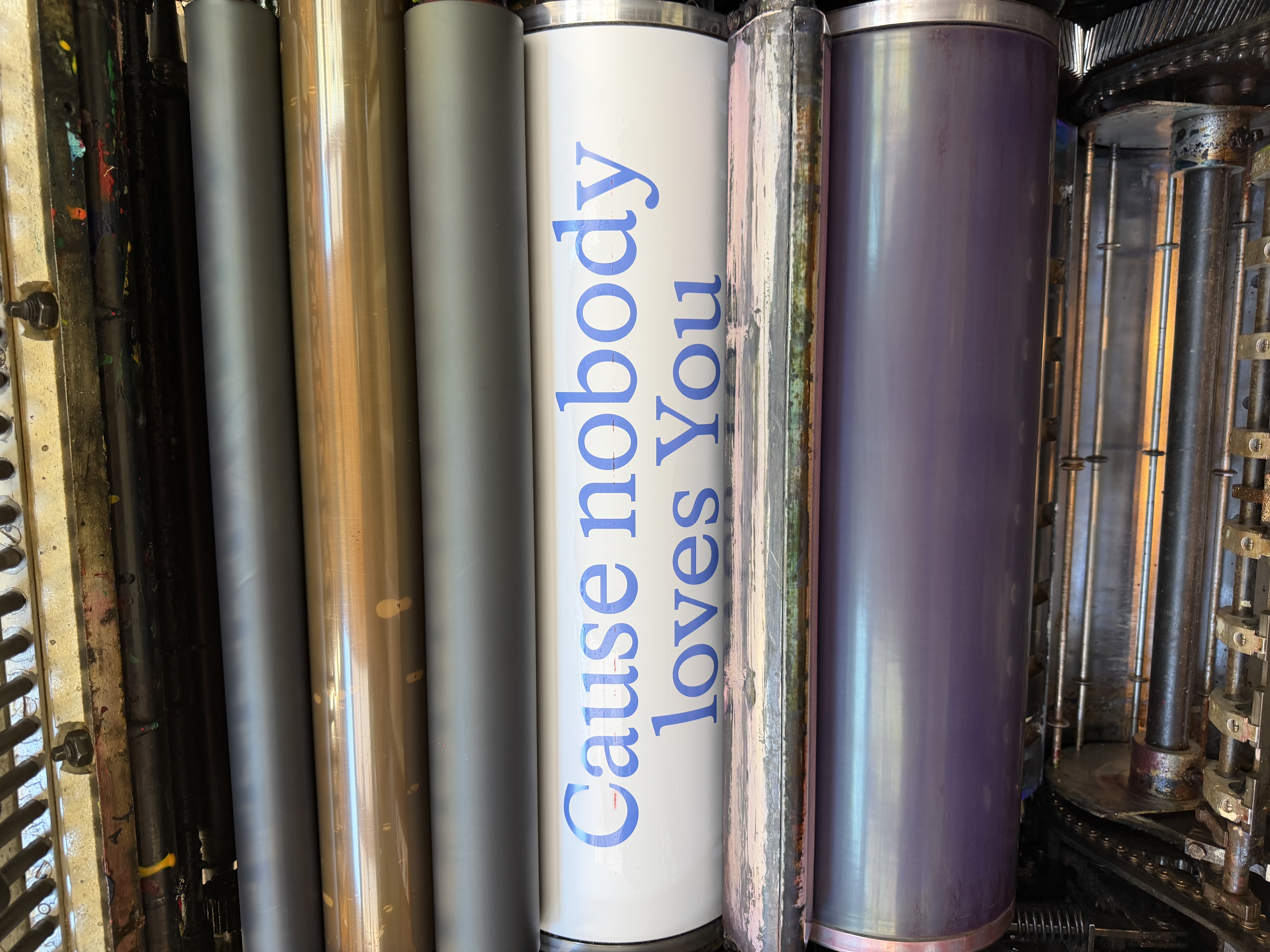
Opuntia B3 Poster, Ofset Print: Jaroslav Janďourek
To get one, contact me!
Font size:
Line Height:
45
Font size:
Line Height:
2042
Font size: 20px
Line Height:
Olive trees are seen as being a major component of traditional Palestinian farming life, with several generations of families gathering together to harvest the olives for two months from mid-September.[40] The harvest season is often associated with celebration for these families, and family and local community celebrations are organised with traditional Palestinian folk music and dancing.
Anthropologist Anne Meneley describes her olive-picking experience as community oriented:
We are hot and dusty and sometimes clumsy as we negotiate the rough rocks that surround the olive trees. Our Palestinian hosts bring us most welcome cool water and juice and hot sweet tea and coffee. There is communitas of sorts in this shared labor: we feel that we are contributing something, however symbolic, to the Palestinian cause.
As olive cultivation is a significant aspect of Palestinian culture, the uprooting of olive trees by Israeli settlers is a prominent point of concern in Palestinian culture. Poet Mourid Barghouti describes olive trees as "the identity card that doesn't need stamps or photos and whose validity doesn't expire with the death of the owner" and "with each olive tree uprooted by Israeli bulldozers, a family tree of Palestinian peasants falls from the wall."
Religiously, "the Holy Books refer more often to the vine and the olive tree" than to prophets. Muslim teaching also holds olives in high regard as "the Almighty is even believed to have himself taken an oath by the olive tree."
More recently, the olive tree is a symbol of rootedness. After the Israel Defense Forces defeated the Palestine Liberation Organization in the 1982 Lebanon War, the olive became a symbol for Palestinian identity. Because "olive trees are a prominent feature of the mountainous region of the landscape in the West Bank," Palestinians began to "draw connections between their ancient presence in Palestine and that of the ancient olive tree rooted in the land of Palestine."
Olive trees also have a nationalist connotation in Palestinian culture. In a speech to the United Nations General Assembly in 1974, Yasser Arafat stated that Zionist terrorism targeted the olive tree because it "has been a proud symbol" and "living reminder that the land is Palestinian." He concluded the speech with a nationalist reference to the olive branch:
Today I have come bearing an olive branch and a freedom-fighter's gun. Do not let the olive branch fall from my hand. I repeat: do not let the olive branch fall from my hand.
Arafat's remarks on the olive branch still influence literature today in works such as Raja Shehadeh's "Diary of an Internal Exile: Three Entries" in which she writes about her struggles as a resident of the West Bank. She concludes, "Arafat was right to hold a gun in one hand and an olive branch in the other. I was never so naive as to expect that Israel could be won over by the olive branch alone, but the gun could only ever be a means to an end."
In October 2021, settlers vandalized 8,000 trees in the West Bank. In the first two weeks of the 2021 harvest, 18 incidents of damage to Palestinian olive groves, consisting of acts of battering or chopping down trees or denuding their fruits were reported.
In the 2023 olive harvest season, Yesh Din reported 113 attacks by Israeli settlers and soldiers in the West Bank that disrupted olive harvest. The attacks caused 96,000 dunams of olive-planted land to go unharvested last year, resulting in approximately US$10,000,000 in losses. Approximately 1,340 olive trees were slashed by settlers in Qaryut in 2024. Over 150 attacks on olive pickers have been recorded in the 2025 olive harvest season.
Font size:
Line Height:
Interplanetary Highway
Font size:
Line Height:
Chấm dứt nạn diệt chủng!
ss01: Serif C
ss02: Double serif i
1 / 2
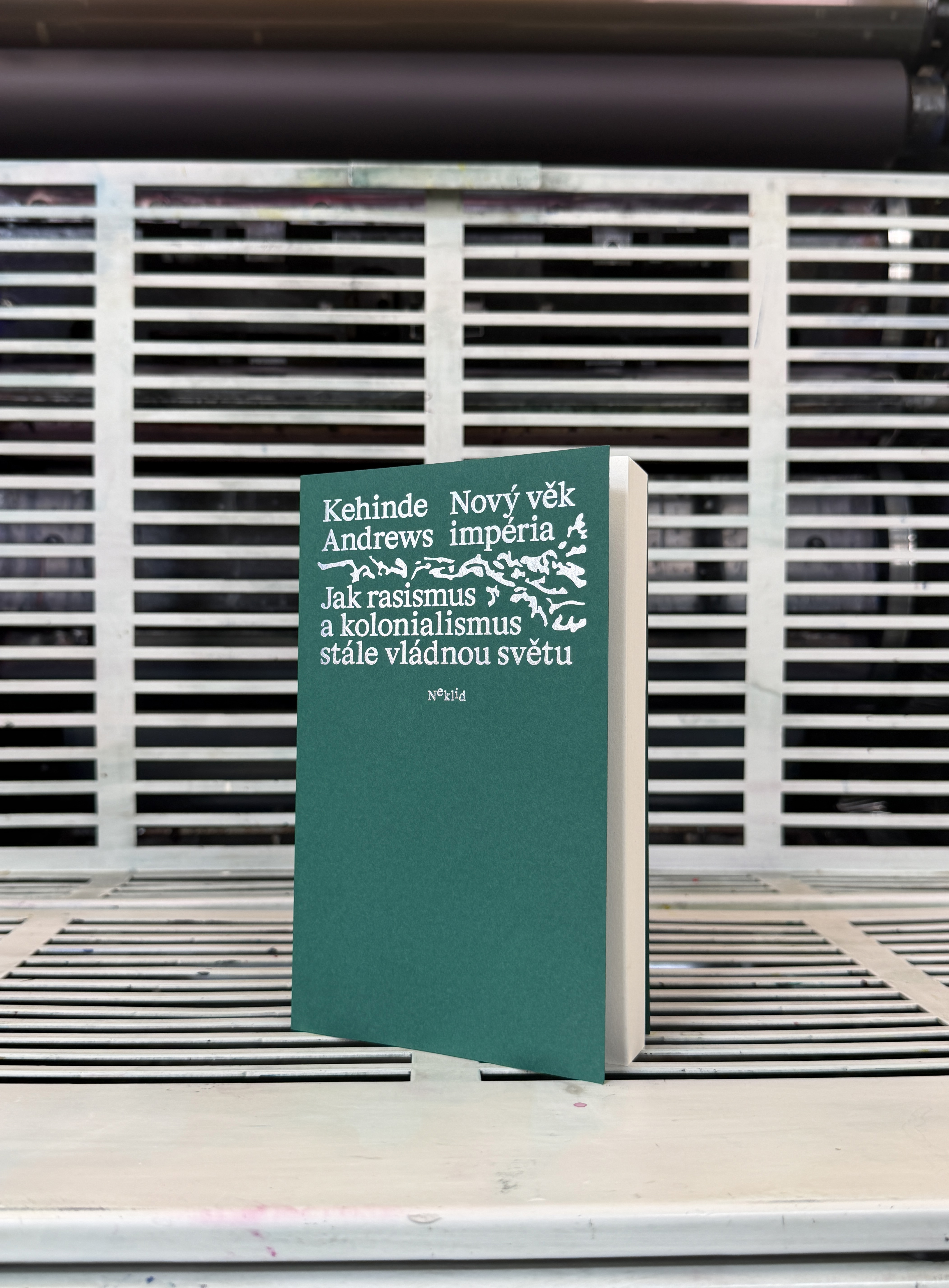
Font in use: Nový věk impéria
Kehinde Andrews – Published by Neklid, 2026